
Growing Together

Social Skills Groups

Structured Support for Real Connection

Small groups where children build the social and peer skills they need to succeed in and out of the classroom. Because meaningful relationships are part of every child's climb toward their brightest potential.

Why We Offer This

Social Skills Need Real Practice

In our years working alongside Houston-area schools, we kept seeing the same pattern: capable kids who didn't fit neatly into general education without support, a self-contained classroom, or a full, intensive therapy program. They needed something in between — specific, structured practice with peers, not a worksheet and not an open-ended "socialization" goal.

Our social skills groups were built for exactly that space. Every group works toward specific, named skills, in small settings where children can practice with real peers, not just talk about it.

Real peers, real practice, real connection
Age-Specific Support

Two Age-Specific Tracks

Each group is thoughtfully structured around the social, developmental, and classroom needs children are navigating at different stages.

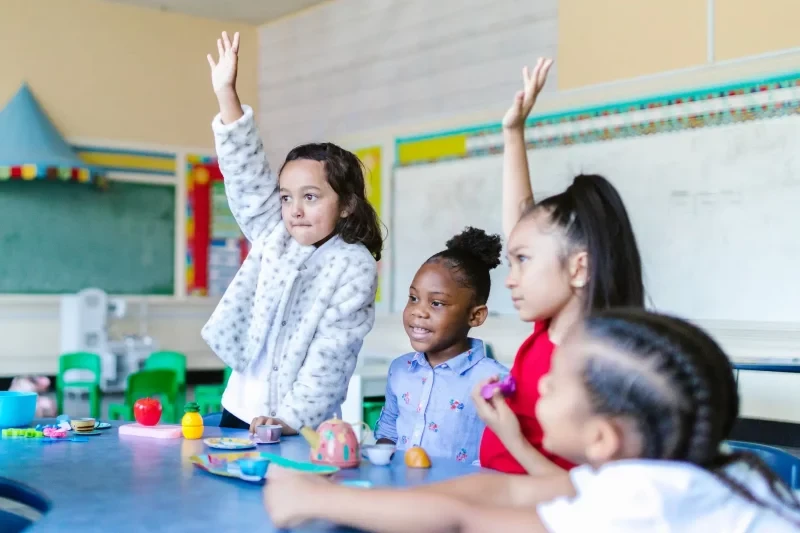
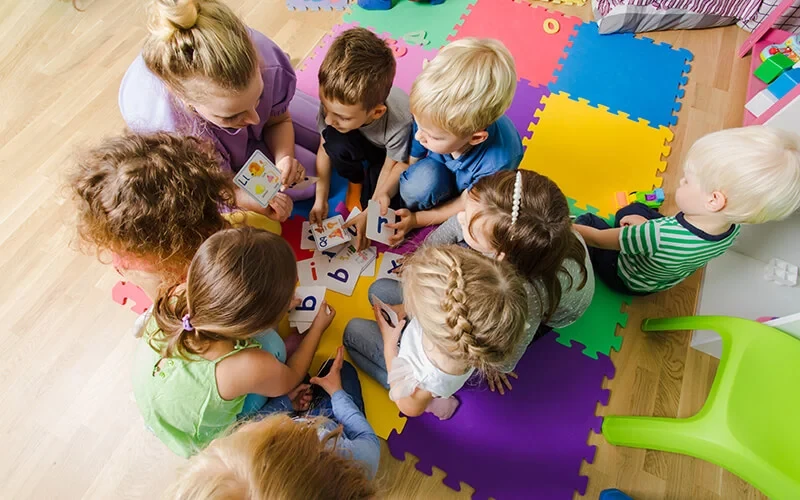
Young children participating in a social skills learning activity
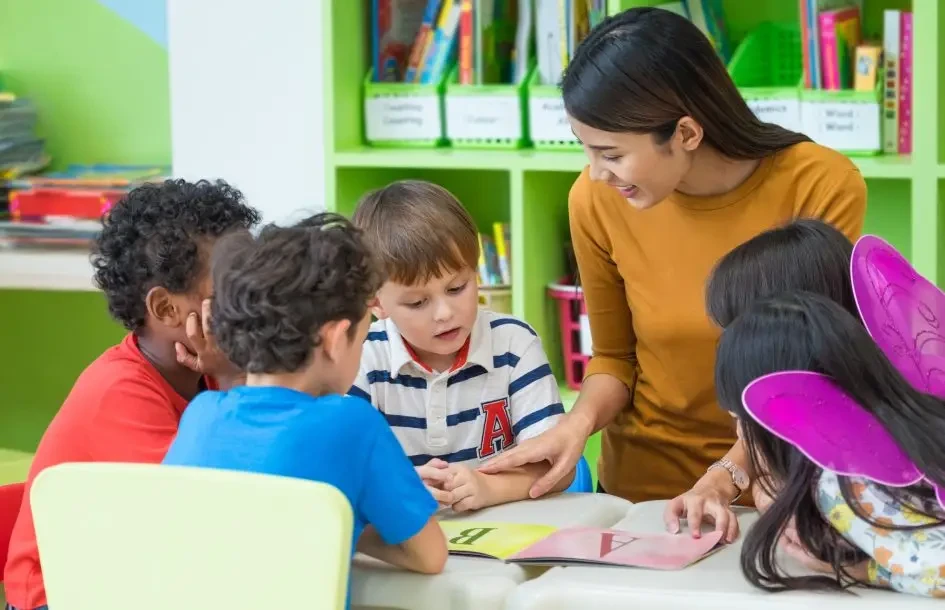
Children practicing classroom and peer interaction skills
01 Ages 3–5

Building the Skills for School Readiness

Ages 3–5 (afternoons, 1:30–3:30 PM) — focused on school-readiness skills, like following group routines, sharing attention, and tolerating transitions, so children walk into pre-K or kindergarten ready to succeed alongside their peers.

Afternoon Groups 1:30–3:30 PM School Readiness Peer Practice
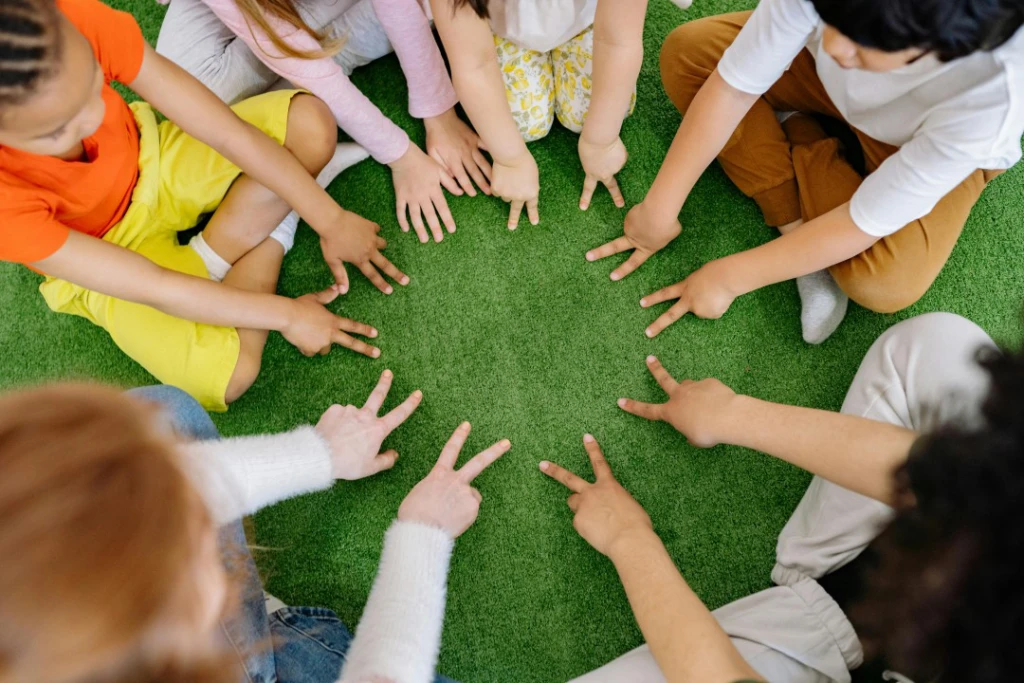
School-age children building social and peer skills together
Children participating in a structured social skills group
02 Ages 6–10

Practical Skills for the School Day

Ages 6–10 (after school, 4–6 PM) — focused on the social skills that shape every school day for children already in a general education classroom, giving them — and their teachers — practical tools to use, not just a diagnosis on file.

After School 4–6 PM Classroom Skills
Skills for Everyday Connection

What the Groups Teach

Each group works toward specific, measurable skills, including:

01

Turn-taking

Structured practice sharing attention, materials, and space with peers.

02

Peer relationships

Initiating, joining, and maintaining interactions with other children.

03

Navigating frustration

Recognizing frustration early and using a replacement response instead of shutting down or escalating.

04

Flexibility

Tolerating changes in plans, routines, and expectations without losing regulation.

05

Behavior regulation

Concrete strategies children can use in the moment, not just talk about.

06

Conversation skills

Initiating, joining, and maintaining, conversations as well as knowing how to read social cues and when to continue or wrap up a conversation with a peer.

Finding the Right Fit

Who are Social Skills Groups for?

1:1 ABA Support

Focused Skills, Individual Practice

Some skills are best taught one-on-one, with focused attention and repetition — that's what traditional ABA does really well. But social skills are different. A child can learn to take turns with a therapist, and still freeze up the first time they have to do it with an actual classmate.

Group Social Skills

Real Skills Need Real Peers

That's not a failure of 1:1 therapy — it's just that some skills need to be practiced in the setting where they'll actually be used. So our groups are built to look and feel like a real classroom, with real peers, from day one.

Best Fit

That's why this program is designed for a specific group of kids: those who are already in, or close to ready for, a mainstream classroom, and mainly need support building the social side of things. If that's your child, this is the right fit. If your child needs more comprehensive, one-on-one support, we'd love to talk with you about our center-based and in-home ABA services.

Connected Support

A True Partner, Not Just Another Provider

Parent training is built into every track, so skills carry over at home, not just in group. We coordinate with teachers and, where relevant, IEP or 504 goals, so our work and the school's work point in the same direction. We also keep clear, regular communication with any provider who refers a family to us.

01

Parent Training

Parent training is built into every track so skills can carry into daily routines at home, not stay limited to the group setting.

02

School Coordination

We coordinate with teachers and, where relevant, IEP or 504 goals so the support children receive with us and at school moves in the same direction.

03

Clear Communication

We keep clear, regular communication with any provider who refers a family to us, helping everyone stay informed and aligned.

Ready to Begin?

How to Get Started

Getting started is simple — reach out and we'll take it from there. We handle intake and scheduling, and we'll keep you updated as your child climbs toward their own Zenith.