Growing Together

Social Skills Groups

Structured Support for Real Connection

In our small groups, children build the social and peer skills they need to succeed in and out of the classroom. Meaningful relationships are part of every child's climb toward their brightest potential.

Why We Offer This

Social Skills Need Real Practice

In our years working alongside Houston-area schools, we kept seeing the same pattern: capable kids who didn't fit neatly into general education without support, a self-contained classroom, or a full, intensive therapy program. They needed something in between — specific, structured practice with peers, not a worksheet and not an open-ended "socialization" goal.

Our social skills groups were built for exactly that space. Every group works toward specific, named skills, in small settings where children can practice with real peers, not just talk about it.

Real peers, real practice, real connection
Saturday Cohorts

Small Groups, Two Age Bands

Our social skills groups are developed and led by a BCBA, with trained lead instructors and facilitators in the room — about one trained staff member for every three children. Children are placed by age and skill level into one of two groups.

Both groups follow the same 8-week curriculum, taught in a way that fits each age. Each cohort runs 8 Saturdays in a row and starts and finishes together, with no children added partway through. No diagnosis is required, and a 9-year-old is placed in whichever group fits best by skill level.

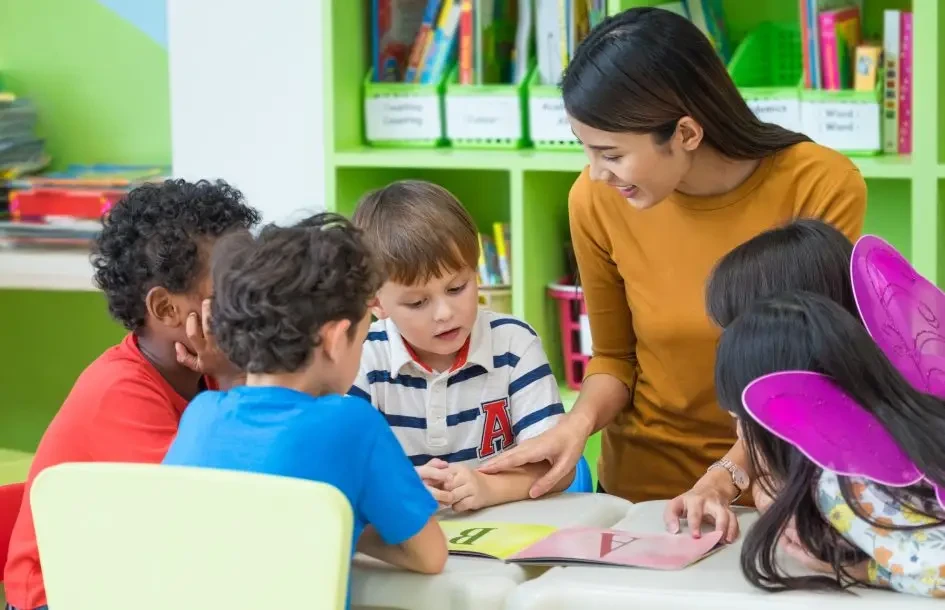
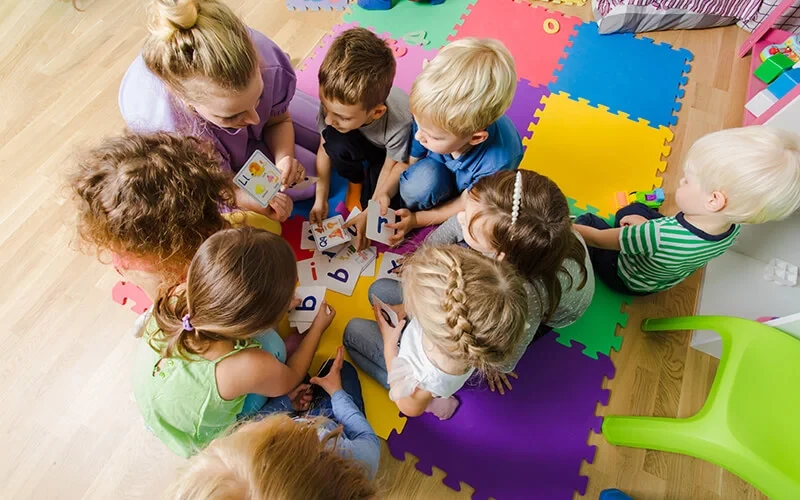
Children participating in a social skills learning activity
Children practicing peer interaction skills
Ages 6–9

Saturdays, 9:00–10:30 AM

Skills are taught in a concrete, visual way, with scripts, picture cues and lots of modeling from staff. Lessons stay short and hands-on, with plenty of games and movement so children practice through play.
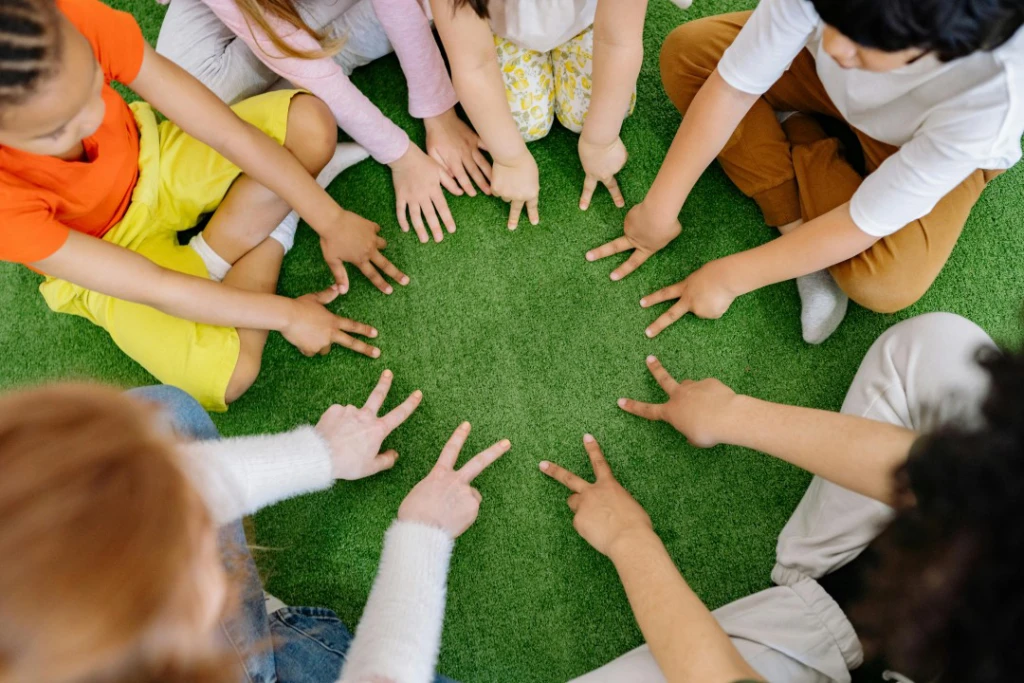
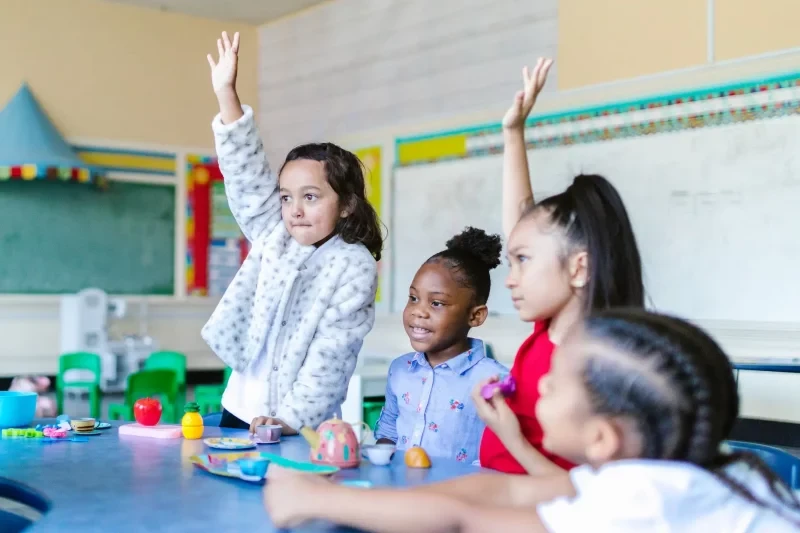
School-age children building social skills together
Children practicing social skills with peers
Ages 9–12

Saturdays, 11:00 AM–12:30 PM

Skills are taught through open-ended practice and peer coaching. Kids work through real situations they face at school and with friends, like group projects, disagreements and joining in, and coach each other through them, with staff support as needed.

8-Week Closed Cohort 4–7 Children per Group 1 Trained Staff Member per 3 Children Fully Toilet-Trained Required

As the program grows, we will add afternoon and evening groups. Join our interest list to be notified.

Skills for Everyday Connection

What the Groups Teach

Every 8-week cohort practices these six core skills, with a take-home challenge every week.

01

Turn-taking

Structured practice sharing attention, materials, and space with peers.

02

Peer relationships

Making friends, joining in, and keeping play going with other children.

03

Navigating frustration

Recognizing frustration early and using a replacement response instead of shutting down or escalating.

04

Flexibility

Tolerating changes in plans, routines, and expectations without losing regulation.

05

Behavior regulation

Concrete strategies children can use in the moment, not just talk about.

06

Conversation skills

Initiating, joining, and maintaining conversations, and knowing when to continue or wrap one up with a peer.

The 8-Week Plan

What Your Child Will Learn, Week by Week

  1. 1 Greetings, introductions, and group expectations (whole-body listening)
  2. 2 Starting and keeping a conversation; asking follow-up questions
  3. 3 Knowing my feelings; calming tools
  4. 4 When things don't go my way: size of the problem vs. size of the reaction; flexible thinking; being a good sport
  5. 5 Reading others' feelings and body language
  6. 6 Joining in and inviting others; giving and accepting compliments
  7. 7 Solving problems with friends: compromising and apologizing
  8. 8 Asking for help and speaking up; review and celebration

Every week ends with a take-home challenge. Younger children get scripts and picture cues; older or more advanced children get open-ended practice and peer coaching.

Every cohort builds the same core skills — the activities and themes we use to teach them vary from cohort to cohort, so a returning child won't repeat the same script.

The Rhythm of a Group

A Typical Saturday

  1. Arrival & check-in
  2. Greeting circle
  3. Skill lesson
  4. Game
  5. Movement break
  6. Social snack
  7. Partner project
  8. Closing circle

We play cooperative games every week. Some weeks also include a short competitive game to practice winning and losing well. Every Saturday ends with a debrief and a take-home card for parents at pick-up.

This is our typical flow and may shift from week to week or cohort to cohort.

Fun With a Purpose

Every Part of the Day Is Fun and Meaningful

We build fun into every part of the day, and every part of the day is also a chance to learn. Here are a few ways we do it:

Whole-group games

Kids play as one team toward a shared goal, like “crossing the river” on a few mats, where everyone has to ask for and give help to get the whole group across, or a feelings detective hunt to find and act out body-language cards before the timer runs out.

Hands-on snack

Snack is where kids practice sharing and requesting, waiting a turn, offering someone a seat, and making small talk at the table. Building a snack together (like a team pretzel-and-marshmallow tower) becomes a hands-on way to practice skills like “size of the problem” and being a good sport when things don’t go as planned.

Partner projects

Crafts and builds give kids a reason to work together, like tracing a friend’s hand and writing one thing they learned about them on each finger, or building a LEGO bridge with one shared plan and limited supplies, which takes some compromise.

Snack safety, every time

Everyone washes hands before snack; every label is checked for nuts and Red 40; and each child is only served foods that have been cleared against their individual allergy list.

Finding the Right Fit

Who Are Social Skills Groups For?

1:1 ABA Support

Focused Skills, Individual Practice

Some skills are best taught one-on-one, with focused attention and repetition — that's what traditional ABA does really well. But social skills are different. A child can learn to take turns with a therapist, and still freeze up the first time they have to do it with an actual classmate.

Group Social Skills

Group Skills, Practiced with Real Peers

That's not a failure of 1:1 therapy — it's just that some skills need to be practiced in the setting where they'll actually be used. So our groups are built to look and feel like a real classroom, with real peers, from day one.

Best Fit

This program is designed for a specific group of kids: those who are already in, or nearly ready for, a mainstream classroom, and mainly need support building the social side of things. No diagnosis is required to join — we place children by age and skill level. Children do need to be fully toilet-trained and independent in the bathroom. If your child needs more comprehensive, one-on-one support, we'd love to talk with you about our center-based and in-home ABA services.

Connected Support

A True Partner, Not Just Another Provider

We work closely with families, schools, and other providers, so everyone who supports your child works toward the same goals.

01

Parent Partnership

A quick hand-off at pick-up, a take-home card each week, and a full progress report at the end of the cohort. Want more hands-on coaching? Book a one-on-one BCBA parent session any time.

02

School Coordination

We coordinate with teachers and, when relevant, align with IEP or 504 goals, so the support your child receives with us and at school moves in the same direction.

03

Clear Communication

We keep clear, regular communication with any provider who refers a family to us, helping everyone stay informed and aligned.

04

Safety, Built In

Every team member passes a criminal background check and mandated-reporter training. More than one adult is always present, with supervised transitions, bathroom breaks, and secured exits. Children are released only to adults on your Authorized Pickup List.

Questions Parents Ask

FAQ

What if my child is 9?

They're placed in whichever group — 6–9 or 9–12 — fits best by skill level. A BCBA makes that call.

Can we attend more than one cohort?

Yes. The core skills we teach stay the same from cohort to cohort, but the themes and activities we use to teach them change each time — so a returning child is practicing the same skills in a new way, not repeating the same script.

What if we have no diagnosis?

No diagnosis is required. Children are placed by age and skill level, not diagnosis.

Can my child join if they use an AAC device?

Yes. Children who communicate clearly using an AAC device are welcome.

Do you offer parent training?

Parent training isn't required or included. An optional one-on-one BCBA parent session is available for $100/hour.

How will you measure progress?

With a Progress Survey before and after the cohort, each child's own weekly goal data, and a written end-of-cohort progress report.

Are there individualized goals?

Yes. After the BCBA screener, your child gets a one-page summary with at least two personalized goals, decided together with you based on your family's priorities.

Ready to Begin?

How to Get Started

Private pay only — we don't bill insurance for this program.

3

BCBA screener ($75)

Credited toward your cohort fee if you enroll. A parent survey plus a 30-minute video meeting with a BCBA.

4

Get your child's placement and goals

A one-page summary with at least two personalized goals, decided together with you based on your family's priorities.

5

Enroll

Sign the agreement, pay a $100 deposit (applied to your cohort fee), complete the intake packet.

Cohort Fee $1,000

for 8 sessions

$950 if paid in full up front

If a group doesn't reach its minimum size, we'll let you know right away, give you a full refund, and give you first notice when the next one opens.

Now enrolling for 2027